CN
CN Apr 22, 2026
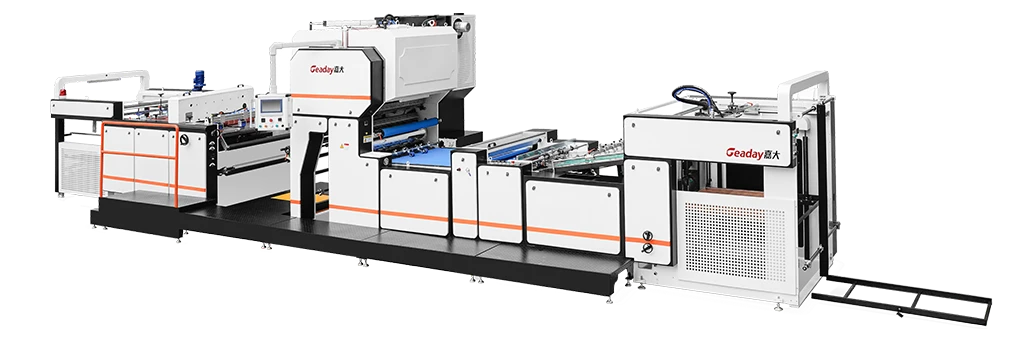
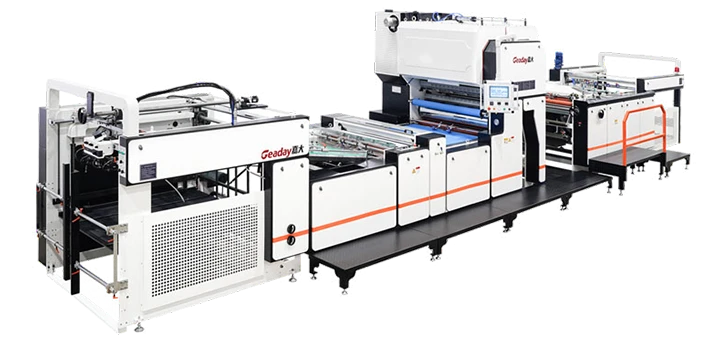
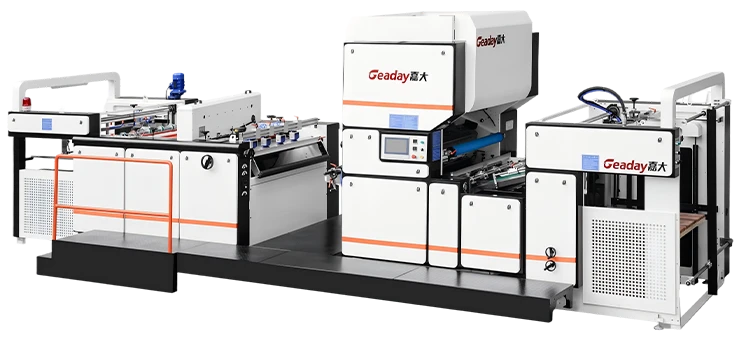
If you’re comparing equipment for modern packaging lines, here’s the direct answer: throughput stability, film adhesion consistency, and operator efficiency are what separate profitable laminating operations from costly bottlenecks. In today’s converting plants, High-Speed Automatic Vertical Laminator Machines are widely adopted because they reduce manual intervention while maintaining uniform coating thickness control and high-speed film lamination performance. According to PMMI industry insights, automation in packaging lines is increasingly driven by the need for repeatability and labor optimization—two pressures most buyers are actively trying to solve.
Why laminating is no longer just a finishing step
Lamination used to be treated as cosmetic—something to make packaging look better. That mindset doesn’t survive in a high-volume plant.
Today, laminating directly affects:
- barrier performance in flexible packaging
- scratch resistance in printed cartons
- moisture protection in food-grade packaging materials

In other words, it’s part of product integrity, not just aesthetics. And that shift changes how machines are selected.
The hidden bottleneck: inconsistent speed vs real output
Many buyers focus on maximum speed specs. That’s a trap.
What actually matters is:
- stable high-speed laminating operation
- minimal downtime during roll changes
- precise synchronization in automatic feeding and laminating systems
A machine that runs at a slightly lower top speed—but holds it consistently—often delivers better daily output than one that spikes and stalls.
Vertical vs horizontal: what changes on the factory floor
This is where real-world experience matters.
Space and workflow efficiency
Vertical configurations are often preferred in:
- compact packaging production lines
- facilities with limited floor space
They allow:
- cleaner material flow
- easier integration with upstream printing units
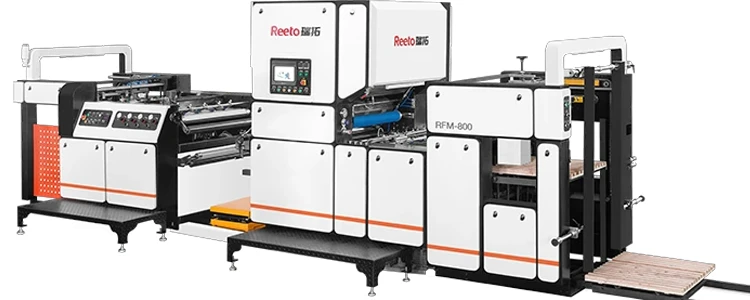
Film handling and alignment
Vertical systems tend to offer:
- better film tension control systems
- improved alignment for high-precision laminating applications
That translates to fewer defects—something QC teams notice immediately.
Where automation pays off (and where it doesn’t)
Automation is not a universal win—it depends on your workload.
It becomes essential in:
- high-volume packaging manufacturing environments
- jobs requiring consistent adhesive coating laminators
- operations with limited skilled labor
But for short-run, highly customized jobs, semi-automatic systems may still hold value.
At this stage, many procurement managers want to compare configurations in detail. You can get configuration insights to evaluate speed ranges, coating methods, and automation levels based on your production goals.
The real-world scenarios buyers care about
Let’s move away from theory and into daily operations.
Scenario 1: Food packaging plant under tight deadlines
A converter handling snack packaging runs multiple SKUs daily. Frequent changeovers are unavoidable.
What matters here:
- quick changeover laminating machines
- reliable adhesive curing consistency
- minimal operator adjustment
Scenario 2: Premium cosmetic packaging
Here, visual quality dominates.
Critical factors include:
- bubble-free lamination technology
- uniform gloss finish
- precision in multi-layer packaging film lamination

Scenario 3: Export-focused packaging manufacturer
For exporters, durability matters more than appearance.
They prioritize:
- durable laminated packaging materials
- resistance to humidity and transport stress
- stable performance across long production runs
Comparing laminator types: where vertical systems stand
| Feature | Vertical Laminators | Horizontal Laminators |
| Space efficiency | High | Moderate |
| Automation integration | Strong | Moderate |
| Film alignment | More stable | Depends on setup |
| Operator dependency | Lower | Higher |
Vertical systems are not always “better”—but they are often more predictable in high-throughput environments.
Why advanced vertical systems are becoming the default choice
In recent years, I’ve noticed a clear shift: buyers are less impressed by raw speed and more concerned with process stability in laminating machines.
This is where High-Speed Automatic Vertical Laminator Machines come into the conversation—not as a luxury upgrade, but as a practical solution.
They offer:
- continuous laminating production efficiency
- reduced waste through accurate adhesive application systems
- improved ROI via lower labor dependency
Compared with traditional manual laminators:
- far fewer inconsistencies
- significantly reduced operator fatigue
Compared with older horizontal automatic systems:
- better integration into modern automated packaging workflows
- more compact layouts for expanding facilities
If you’re evaluating equipment for a new line or upgrade, you can explore machine applications to understand how different configurations match specific industries.
Customization: the difference between “working” and “working well”
Here’s something rarely discussed: even the best machine underperforms if it’s not matched to your process.
Key customization points include:
- coating method (water-based vs solvent-based)
- रोल width and speed synchronization
- compatibility with various packaging substrate materials
Manufacturers like Geaday typically provide:
- tailored industrial laminating machine solutions
- configuration adjustments for specific production lines
- technical support for high-efficiency laminating systems
Final perspective: choose for your process, not the brochure
A laminator is not just a machine—it’s a commitment to a workflow.
The wrong choice shows up as:
- wasted film
- inconsistent quality
- operator frustration
The right choice quietly improves everything.
High-Speed Automatic Vertical Laminator Machines have earned their place not because they sound advanced, but because they solve very specific, very real production problems—day after day.