CN
CN Apr 20, 2026
When choosing between automatic vertical laminating systems and continuous web laminating equipment, buyers first need to clarify production volume, material type, line speed, and integration needs. A Roll‑to‑Roll Laminator delivers stable, high‑efficiency performance for long‑run roll materials, while vertical models suit short‑batch, sheet‑fed jobs. This guide compares real‑world performance, application scenarios, and total cost of ownership to help you make the right decision.
What Buyers Actually Need From Laminating Equipment
Most converters and packaging producers face three core pain points: inconsistent lamination quality, low production efficiency, and poor compatibility with existing lines. According to industry data from Packaging Digest 2025, over 68% of flexible packaging manufacturers prioritize continuous high‑speed lamination and stable tension control when upgrading equipment. Buyers also care about inline integration capability, minimal downtime, and customizable process modules to fit unique workflows.
Core Differences in Working Principle & Structure
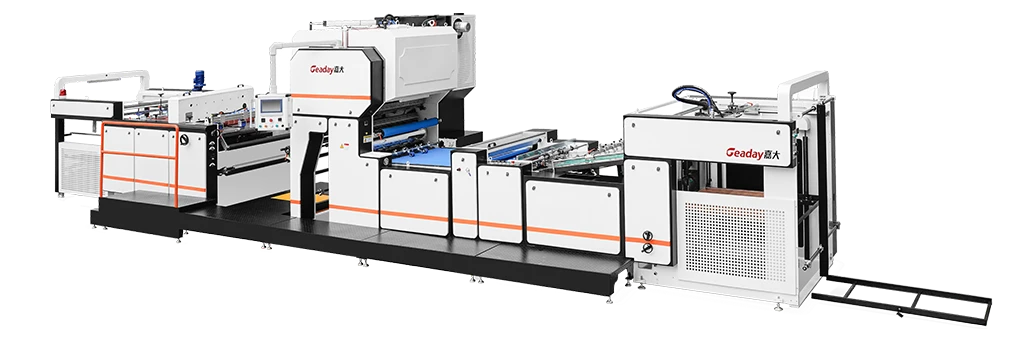
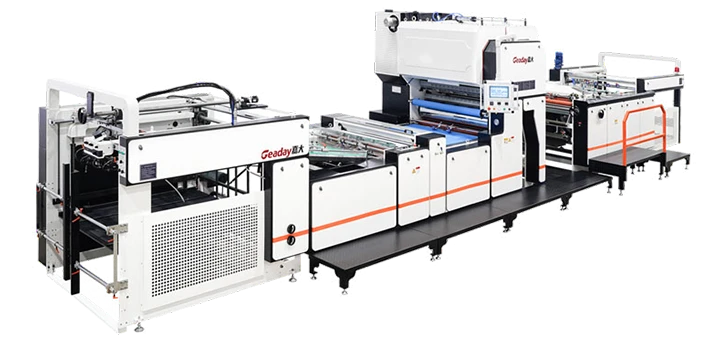
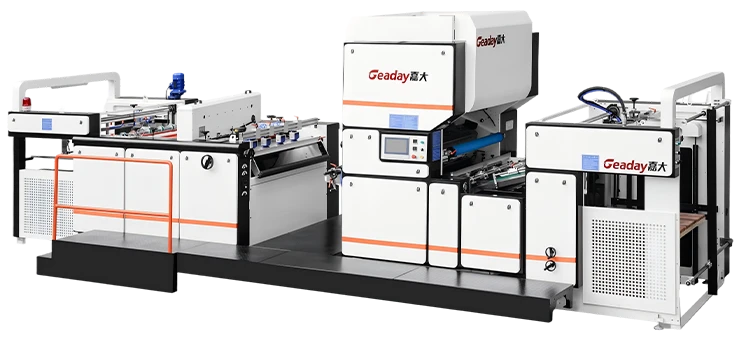
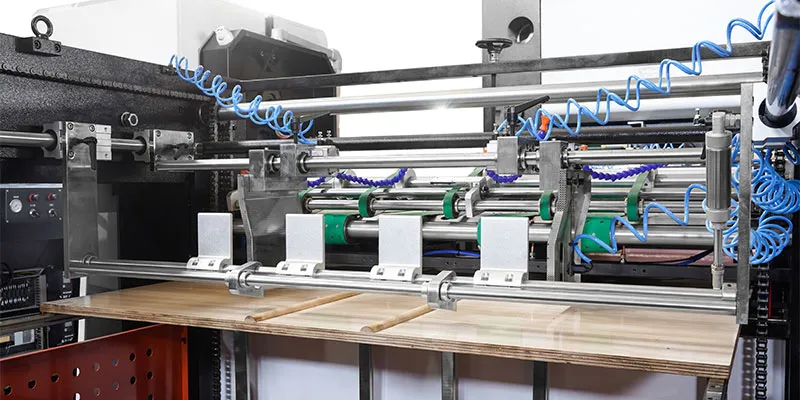
Automatic vertical laminators use a vertical feeding and pressing structure, ideal for sheet materials, short orders, and frequent job changes. They feature compact footprint, easy operation, and lower upfront investment. However, they are limited by intermittent feeding, making them less efficient for large‑batch, roll‑based production.
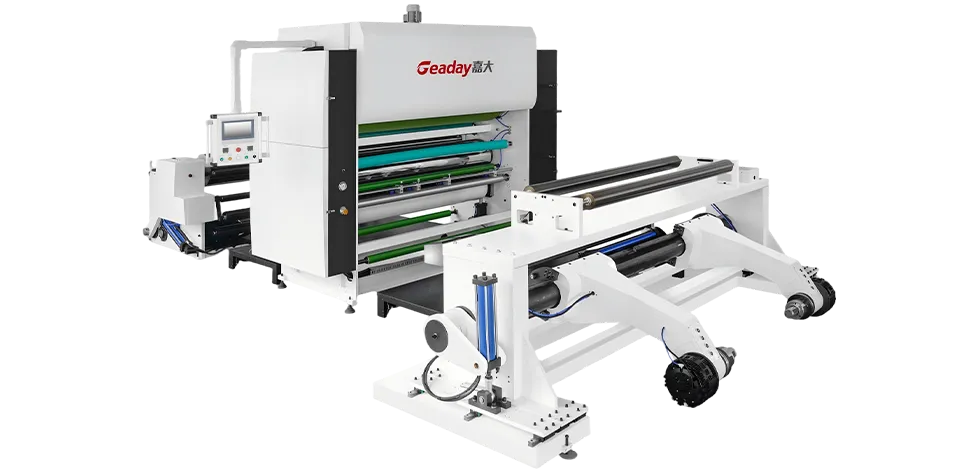
Continuous web laminating systems adopt an unwind‑laminate‑rewind structure with closed‑loop tension control. They support nonstop production, wider web widths, and higher line speeds. This design eliminates manual intervention during long runs, reducing defects like bubbles, wrinkles, and misalignment.
Performance Comparison: Speed, Accuracy & Stability
Line Speed & Output
Vertical laminators typically run at 15–50 m/min, suitable for small batches. Continuous web systems reach 30–150 m/min, boosting output by 200% or more for long orders. This aligns with data from Flexible Packaging Association, showing high‑speed continuous lamination improves per‑shift output by 120–180%.
Lamination Accuracy
Vertical models offer ±1.5–2.0 mm alignment. Advanced continuous systems achieve ≤±1.0 mm precision with automatic edge guiding, critical for premium labels and decorative films.
Material Adaptability
Vertical laminators handle sheets and thin films. Continuous systems process 60–500g/m² paper, barrier films, metallized films, and flexible packaging substrates, covering more industrial applications.
Application Scenario Matching: Which Fits Your Production?
Choose Automatic Vertical Laminator If:
- You produce short‑run, customized sheet jobs
- Floor space is limited
- You need frequent material changes
- Budget is focused on low upfront cost
Choose Continuous Web Laminating System If:
- You run long‑batch labels, flexible packaging, or advertising rolls
- You need inline integration with printing, die‑cutting, or slitting
- You require uninterrupted production and consistent quality
- You target high throughput and lower per‑unit cost
Real‑world case: A food packaging converter switched from vertical to continuous systems and reduced waste by 22% while increasing daily output by 145%, per Printing & Packaging Industry Report 2025.
Key Factors for Long‑Term Use: Cost & Maintenance
Upfront cost of vertical systems is lower, but continuous systems deliver better ROI in high‑volume scenarios. Continuous systems use branded components (ABB, Siemens, Omron), reducing downtime and maintenance costs. Over 5 years, total cost of ownership for continuous systems is 15–25% lower for high‑output users, according to Industrial Equipment Economics 2025.
Customized Solutions & Integration Advantage
Top equipment providers offer modular design and tailored process integration. A Roll‑to‑Roll Laminator supports inline die‑cutting, spot varnishing, secondary coating, and real‑time quality inspection. It seamlessly connects with flexo, gravure, and digital printing lines, realizing fully automated production.
Customization includes:
- Web width: 1000–1600 mm
- Unwind diameter: ≤1000 mm
- Adhesive systems: water‑based, dry, PUR, hot melt
- Drying: hot air, infrared, UV curing
- Inspection: multi‑functional real‑time monitoring
Which One Should You Select? Final Suggestion
For short‑run sheet jobs with limited space: automatic vertical laminator.For long‑run roll materials, high speed, and inline automation: continuous web laminating system.
Leading manufacturers provide professional laminating line consultation to match your material, speed, accuracy, and integration needs. With over 20 years of experience, Geaday designs reliable systems for labels, flexible packaging, and large‑format decorative materials.
Conclusion
Choosing between automatic vertical and continuous laminating systems depends on production scale, material type, and workflow. Continuous systems deliver superior speed, stability, and integration for industrial high‑volume production. Partnering with an experienced supplier ensures you get a solution that boosts efficiency, reduces cost, and supports long‑term growth.