CN
CN Jun 02, 2026
You’ve just finished a run of premium packaging, only to find fine hairline creases radiating across the film surface. Or worse, a full-width wrinkle has ruined an entire sheet of prints. Wrinkling after lamination is one of those persistent headaches that eats into margins, delays delivery, and leaves operators scrambling for quick fixes that rarely last.
The frustration is real. Before blaming the material or dialing down the speed, it’s worth stepping back and looking at the entire lamination process chain. Many of the root causes are predictable — and avoidable — once you understand how tension, temperature, and pressure interact on your converting line. Achieving consistently flat output starts with a well-tuned precision laminating control system that accounts for the specific behavior of your films and substrates.
Why Does Film Wrinkle After Lamination? Digging Into the Root Causes
Film wrinkling isn’t a single problem — it’s a symptom with multiple possible triggers. Based on real production floor experience, these five culprits surface again and again.
1. Unbalanced Web Tension
Perhaps the most frequent offender. If the unwind tension of the laminating film doesn’t match the substrate tension — or if tension fluctuates due to worn brakes, misaligned rollers, or an undersized tension control range — the film will enter the nip with uneven stress. That stress freezes into a wrinkle the moment heat and pressure set the adhesive. Thin films below 20 microns are especially unforgiving.
2. Incorrect Nip Temperature Profile
Thermal lamination relies on a precise temperature window to activate the adhesive without distorting the film. A roller that’s hotter at the edges than in the center, or a setpoint that’s simply too high for a given material, can cause the film to soften unevenly. The result? Micro-wrinkles that might not even be visible until the sheet cools and the adhesive crystallizes. As a guideline, most OPP films laminate well between 95°C and 110°C, but always verify with the film datasheet (refer to ISO 11339 for peel adhesion testing if you’re benchmarking performance).
3. Worn or Misaligned Pressure Rollers
Over time, rubber-covered nip rollers develop flat spots, uneven hardness, or slight eccentricity. Even 0.05 mm of TIR (total indicated runout) can produce a diagonal wrinkle pattern that shifts sheet by sheet. Regular roller inspections using a calibrated durometer and dial indicator aren’t luxury — they’re essential for converting shops that run a mix of substrates.
4. Material Compatibility and Storage Conditions
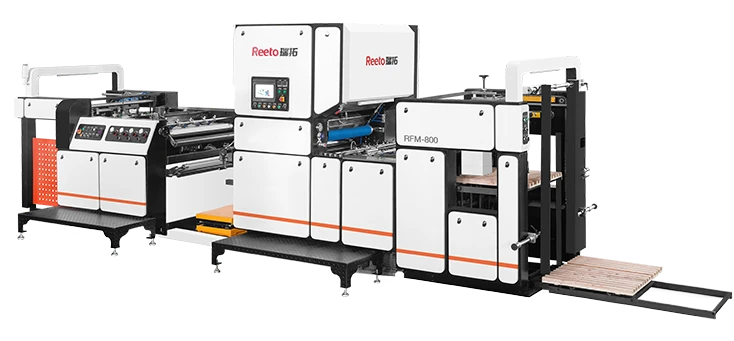
Not all films are created equal. A PET-based thermal film stored in a humid warehouse will absorb moisture, change its coefficient of thermal expansion, and behave differently as it heats up in the nip. Similarly, printing inks that haven’t fully cured can outgas under the laminating film, creating microscopic bubbles that evolve into creases. Managing the environmental conditions in your storage and pressroom — ideally 50% ±10% RH and 23°C ±2°C — drastically reduces these variables.
5. Speed-Mismatch Between Web Paths
On machines where the lamination film path and the substrate path are driven independently, even a 0.5% speed difference between sections can stretch or bunch the film before it meets the substrate. This is particularly critical on high-speed lines running flexible packaging materials. Closed-loop registration and draw control are no longer optional when you’re pushing past 30 meters per minute.
Step-by-Step Solutions: From Quick Checks to Systemic Fixes
When wrinkles appear mid-shift, a methodical approach beats trial and error every time.
Step 1: Isolate the Variable
Run a test with a different film batch, then with a different substrate batch. If the wrinkles follow the film, your roll storage or film spec needs attention. If they follow the substrate, look at outgassing or surface energy. Document each test with sample sheets; this builds a troubleshooting library that trains junior operators faster than any manual.
Step 2: Map Your Tension
Use a handheld tension meter to verify actual running tension at the unwind, before the nip, and at the rewind. Compare readings against the setpoint. A common scenario: the display shows 20 N, but the measured tension swings between 15 N and 25 N due to an aging magnetic particle brake. That 10 N swing is more than enough to cause intermittent wrinkling. Switching to a system with load-cell feedback, like an automated laminating setup with intelligent tension management , can shrink that fluctuation below 2 N.
Step 3: Profile Your Roller Temperature
Don’t trust a single thermocouple reading. Use a non-contact infrared thermometer to scan across the full roller width. A deviation of more than 3°C from edge to center indicates a heater cartridge problem or uneven heat transfer fluid distribution. Even a one-time thermal profile can reveal “cold spots” that were never caught during commissioning.
Step 4: Verify Roller Condition and Alignment
With the machine safely locked out, check nip roller hardness with a durometer — compare against the original specification (typically 70–80 Shore A for many film laminating applications). Look for visible polish or glazing on the rubber, which reduces friction and allows film slip. Re-align or re-grind rollers if the nip impression (using carbon paper or pressure-sensitive film) shows an uneven footprint.
Step 5: Pre-Condition Materials and Environment
Bring films into the production area at least 24 hours before use to allow temperature and humidity equalization. For moisture-sensitive films, consider installing a small dehumidifier near the unwind station. It’s a simple, low-cost upgrade that can eliminate seasonal wrinkle problems — shops in monsoon-prone regions often see wrinkle-related scrap drop by over 40% just by controlling the microclimate around the unwind.
Preventing Wrinkles Before They Start: Long-Term Strategies
While troubleshooting solves today’s crisis, building reliability into the process prevents tomorrow’s. Three areas deserve focused investment.
-
Standardized Setup Protocols: Develop a one-page setup sheet for each film type you run — target tension range, temperature window, maximum speed, and acceptable roller hardness. Make it a living document updated after every significant job. This transforms operator experience into organizational knowledge.
-
Preventive Maintenance on the Nip Section: Every 500 operating hours, check and record roller concentricity, bearing play, and surface condition. Replace worn brake pads before tension drift appears. The cost of a scheduled roller re-grind pales in comparison to the scrap generated by a single undetected eccentricity fault.
-
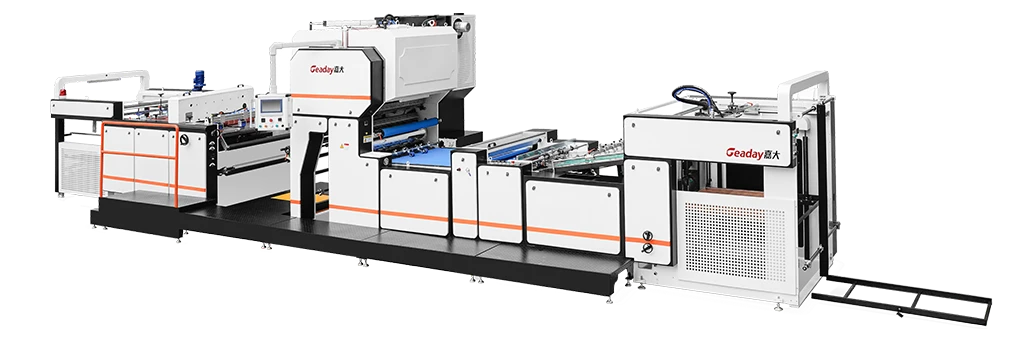
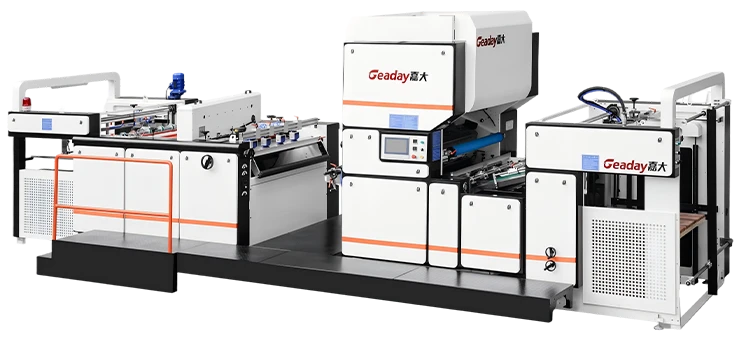
Technology Upgrades That Pay Back Quickly: If your shop is expanding into thinner films, high-speed packaging, or sensitive digital prints, the original equipment may simply be operating outside its sweet spot. Many converters find that moving to a platform with integrated tension, temperature, and pressure control — such as Jiada’s intelligent laminating equipment for wrinkle-prone materials — eliminates the multiple manual tweaks that currently consume an operator’s attention. The focus shifts from “keeping the line running” to “optimizing output quality.”
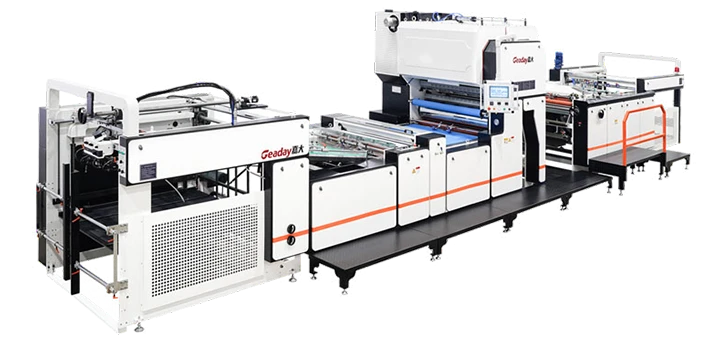
Even with a high-quality automatic vertical laminator, if the incoming web tension isn’t dialed in, wrinkles will still appear — but the difference is that precise, repeatable controls make the root cause visible and correctable in minutes, not hours. Investing in an automatic vertical laminator with closed-loop tension, nip pressure, and temperature regulation removes the guesswork that turns small process drifts into large scrap events. And regular calibration of your automatic vertical laminator ensures that those digital readouts correspond to physical reality, year after year.
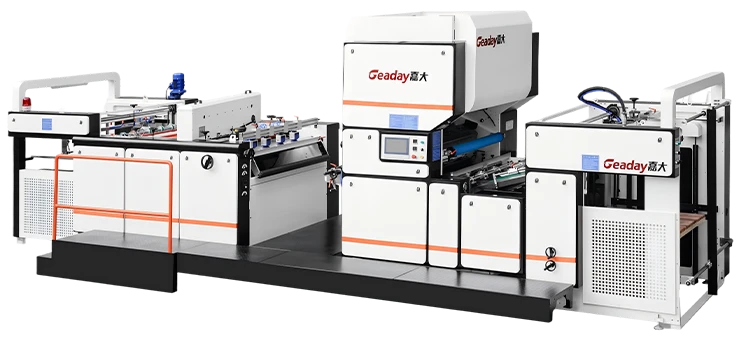
Rethinking Your Lamination Line for Consistently Flat Output
Process fundamentals will always be the first line of defense — tension, temperature, pressure, and material handling. But when a converting business reaches a certain volume, the cost of those 2–3% scrap events, late shipments, and operator overtime starts to outweigh the price of a systemic upgrade.
If you’re chasing wrinkles from job to job and feeling the limits of your current equipment, it may be time to look at how modern lamination systems handle the interplay of these variables automatically. To see how a purpose-built platform can help you lock in repeatable, wrinkle-free output across a wider range of films, explore Jiada’s laminating solutions and the specific configurations available for your application.