CN
CN Apr 29, 2026
Have you ever pulled a freshly laminated document out of the machine, only to find cloudy streaks, sticky patches, or even tiny scratches running across the surface?
Most operators blame the film or the settings. But according to industry service records, nearly 60% of lamination quality issues trace back to one overlooked culprit: improper roller cleaning. And the problem isn’t just aesthetics—dirty or damaged rollers can ruin hundreds of sheets before you notice the pattern.
In this guide, we’ll walk through the most common roller cleaning mistakes, why they happen, and how to avoid them. You’ll learn practical steps that can double roller life and save hours of rework. And if you ever wonder how professional-grade equipment makes maintenance easier, we’ll point you in the right direction—without interrupting the real know-how.
Mistake #1: Using Abrasive Tools or Aggressive Scrapers
It starts with good intentions. A bit of dried adhesive won’t budge, so you reach for a metal scraper, a green scrub pad, or even fine sandpaper. Within seconds, the roller looks clean. But what you can’t see is the microscopic damage.
Roller surfaces—especially silicone or rubber compounds—rely on smoothness to distribute heat and pressure evenly. Abrasives create tiny grooves. Those grooves trap adhesive, accelerate wear, and leave telltale marks on every future run.
What to do instead: Always use a soft, lint-free cloth or a dedicated roller cleaning pad. For stubborn residue, apply a compatible solvent (more on that below) and let it soften for 30–60 seconds before wiping. Never scrape.
Pro tip from field service technicians: A piece of plain copy paper run through a warm machine can lift light adhesive without any solvent. Try that before reaching for chemicals.
Mistake #2: Choosing the Wrong Cleaning Solvent
Acetone works wonders on grease, so it should clean rollers too, right? Wrong.
Many common solvents—acetone, toluene, alcohol (above 70%), and citrus-based removers—can swell, harden, or dissolve elastomer rollers. The damage is often invisible for weeks, then suddenly the roller cracks or becomes tacky.
A packaging plant in Ohio once destroyed a set of brand-new rollers in three days because an operator used an industrial degreaser labeled “safe for plastics”—but not for silicone. The repair bill exceeded $2,000, not counting downtime.
Industry standard: Check your laminator’s manual for approved solvents. If unavailable, use a mild silicone-free roller cleaner or isopropyl alcohol (70% max) diluted with distilled water (50/50). Avoid anything that leaves an oily residue—it will transfer to your documents.
Mistake #3: Cleaning While the Rollers Are Cold (or Too Hot)
Temperature matters more than most users realise. When rollers are cold, adhesives harden and become difficult to remove without aggressive wiping. Conversely, cleaning at full operating temperature can cause solvent flash-off, uneven evaporation, and even burns.
The sweet spot: Allow the rollers to cool to about 40–50°C (104–122°F)—warm to the touch but not hot. At this range, adhesives soften without becoming liquid, and solvents work effectively without rapid evaporation.
One reliable sign you’re at the right temperature: A drop of water sizzles gently but doesn’t dance violently.
Mistake #4: Ignoring the End Caps and Roller Edges
Most cleaning routines focus on the main roller surface. Meanwhile, adhesive builds up on the ends—near the bearings and shaft seals. Over time, that buildup hardens and causes uneven roller pressure. The result: wrinkled film or curled edges on your laminated sheets.
Operators rarely notice this until the machine starts making a rhythmic clicking sound (hardened adhesive hitting the frame). By then, the roller alignment may already be off.
Preventive routine: Every third cleaning, use a cotton swab or small brush to gently remove residue from end caps and the edge channels. Avoid pushing debris into the bearings.
Mistake #5: Skipping Regular Cleaning Schedules
“I’ll clean it when it looks dirty.” That’s the most expensive phrase in laminator maintenance. By the time adhesive is visible, it has already been transferring to your documents—and possibly embedding into the roller pores.
A good rule of thumb used by print shops:
-
Light use (under 2 hours/day) – Clean once a week
-
Moderate use (2–6 hours/day) – Clean every 2–3 days
-
Heavy use (over 6 hours/day) – Clean at the end of each shift
But frequency isn’t enough. You also need a checklist: Turn off heat, wait for proper temperature, use correct solvent, wipe in one direction (not back-and-forth), and dry completely before running film again.
Bonus: How Modern Laminator Design Reduces Cleaning Hassles
If you’re tired of frequent roller cleaning, you might wonder whether certain laminator architectures are easier to maintain. The answer is yes.
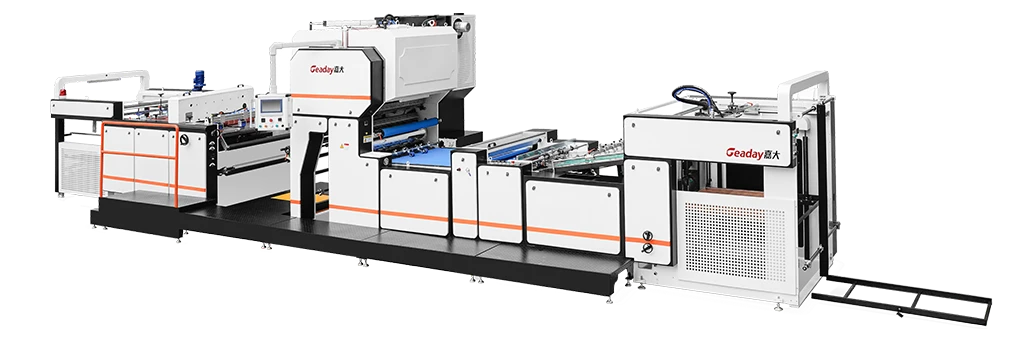
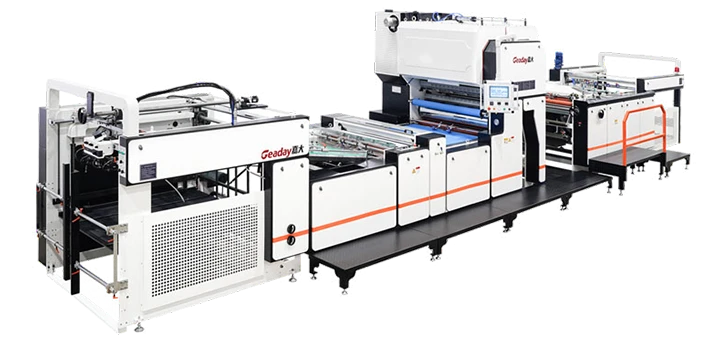
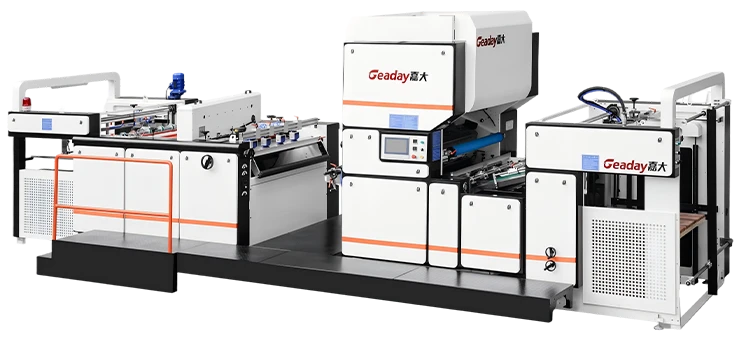
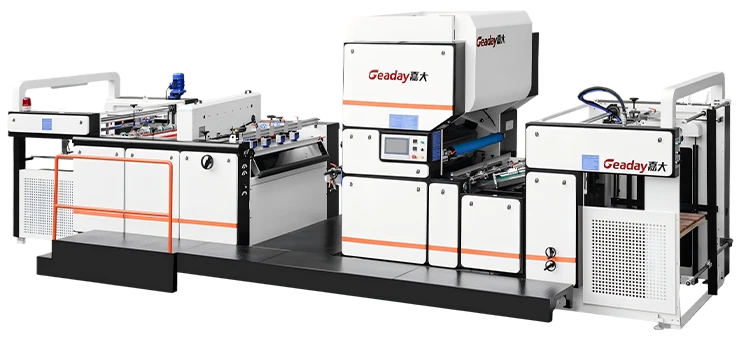
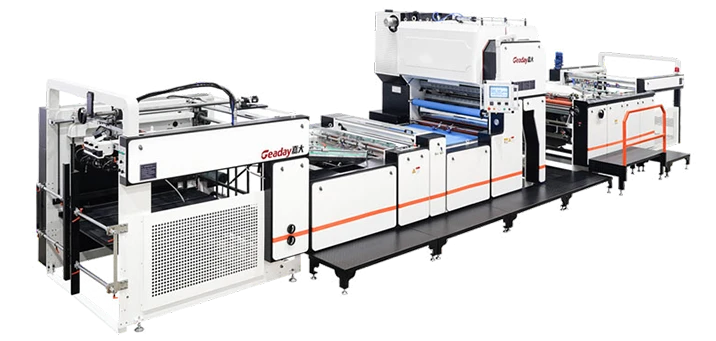
For instance, automatic vertical laminators often feature gravity-fed roller systems and open front access, which allow operators to reach every part of the roller without disassembling side panels. Some models also use coated rollers that resist adhesive bonding.
If you’d like to see an example of how design choices affect daily maintenance, click here to explore Jiada’s automatic vertical laminator solution. The product page walks through accessibility features and roller material specs—no fluff, just real data.
Final Professional Recommendations
To wrap up, here’s a quick checklist based on actual service logs from three binding equipment repair centers:
| Mistake | Safe Alternative |
|---|---|
| Metal scraper | Soft cloth + solvent soak |
| Acetone / toluene | 50% isopropyl alcohol (max 70%) or manufacturer-recommended cleaner |
| Cleaning cold or hot | Warm rollers (40–50°C) |
| Ignoring edges | Cotton swab for end caps every 3rd cleaning |
| Cleaning only when dirty | Scheduled routine based on usage hours |
And one last insider tip: Always run a scrap sheet through after cleaning (without film) to pick up any residual solvent or loosened adhesive. That single step prevents most “first sheet” defects.
Want a More Professional Experience?
If your current laminator makes cleaning a constant battle—or you’re simply ready to move up to a machine designed for easy maintenance and consistent output — take a closer look at what a well-engineered system can offer.
Jiada builds its equipment with serviceability in mind. Their automatic vertical laminator, for example, includes tool-free roller access and a user-friendly cleaning interface. Rather than fighting adhesive buildup every day, you could spend that time on actual production.
See the full specifications and maintenance-friendly features here: Learn more about Jiada’s automatic vertical laminator